MARRENON SAS
1.6
Provence-Alpes-Côte d'Azur, France
January 2026
Food products
Wholesale/Retail
Australia,
Belgium,
China,
Colombia,
France,
Germany,
Japan,
United Kingdom,
United States
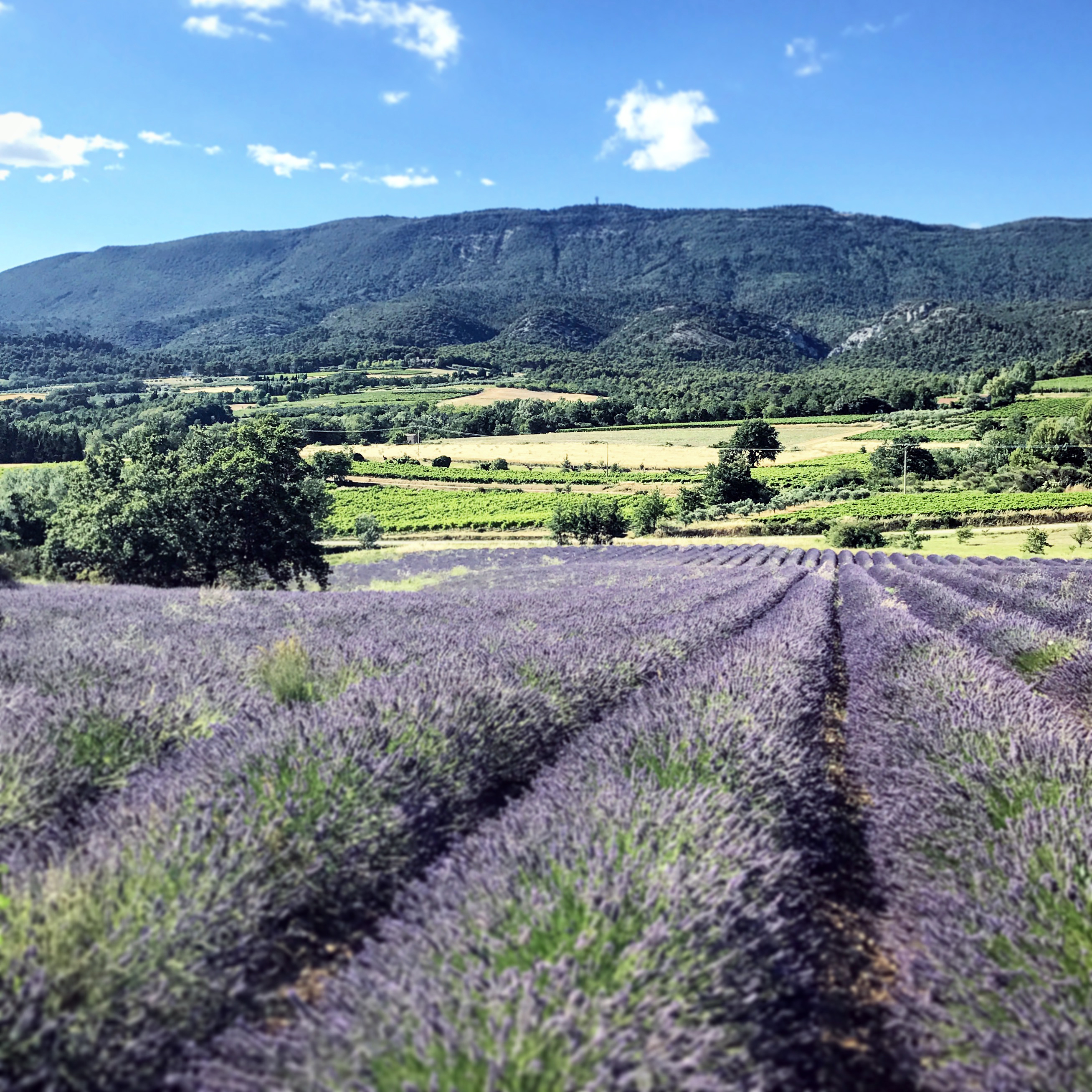
Maison de vignerons entre Rhône et Provence, Marrenon est l'un des acteurs référents du Luberon et du Ventoux. Elle assure la vitalité économique de la région en élaborant des vins premium, au style personnalisé et magnifiant le terroir. Fidèle à ses racines, Marrenon construit une marque internationale en privilégiant le respect de l’environnement et l’innovation. Une mosaïque de terroirs Les mythiques montagnes, Luberon au Sud (1125 m) et Ventoux au Nord (1912 m), qui forgent le caractère de ces appellations : ensoleillement maximum, tempéré par l’altitude et l’amplitude thermique liée à la proximité des Alpes du Sud, pentes douces et coteaux calcaires, vallonnements exposés aux bienfaits du vent Mistral… tous ces facteurs favorisent l’exceptionnelle expression de cette mosaïque de terroirs dont bénéficie Marrenon. La richesse et la diversité des sols, éboulis calcaires, galets roulés, safres sont le berceau idéal de la Syrah et du Grenache, largement dominants et en blanc du Vermentino, fierté de la Maison. Depuis 1965 Implantée au coeur du Parc Naturel Régional du Luberon, reconnu réserve biosphère par l’Unesco, Marrenon c’est avant tout une histoire d’hommes et de terroir. Ardents défenseurs de leur région et de ses sublimes paysages, façonnés par le vignoble, l
Overall B Impact Score
Governance 12.2
Governance evaluates a company's overall mission, engagement around its social/environmental impact, ethics, and transparency. This section also evaluates the ability of a company to protect their mission and formally consider stakeholders in decision making through their corporate structure (e.g. benefit corporation) or corporate governing documents.
What is this? A company with an Impact Business Model is intentionally designed to create a specific positive outcome for one of its stakeholders - such as workers, community, environment, or customers.
Workers 22.9
Workers evaluates a company’s contributions to its employees’ financial security, health & safety, wellness, career development, and engagement & satisfaction. In addition, this section recognizes business models designed to benefit workers, such as companies that are at least 40% owned by non-executive employees and those that have workforce development programs to support individuals with barriers to employment.
Community 16.7
Community evaluates a company’s engagement with and impact on the communities in which it operates, hires from, and sources from. Topics include diversity, equity & inclusion, economic impact, civic engagement, charitable giving, and supply chain management. In addition, this section recognizes business models that are designed to address specific community-oriented problems, such as poverty alleviation through fair trade sourcing or distribution via microenterprises, producer cooperative models, locally focused economic development, and formal charitable giving commitments.
Environment 44.1
Environment evaluates a company’s overall environmental management practices as well as its impact on the air, climate, water, land, and biodiversity. This includes the direct impact of a company’s operations and, when applicable its supply chain and distribution channels. This section also recognizes companies with environmentally innovative production processes and those that sell products or services that have a positive environmental impact. Some examples might include products and services that create renewable energy, reduce consumption or waste, conserve land or wildlife, provide less toxic alternatives to the market, or educate people about environmental problems.
What is this? A company with an Impact Business Model is intentionally designed to create a specific positive outcome for one of its stakeholders - such as workers, community, environment, or customers.
Customers 3.9
Customers evaluates a company’s stewardship of its customers through the quality of its products and services, ethical marketing, data privacy and security, and feedback channels. In addition, this section recognizes products or services that are designed to address a particular social problem for or through its customers, such as health or educational products, arts & media products, serving underserved customers/clients, and services that improve the social impact of other businesses or organizations.