MIGUEL TORRES S.A.
1.6
Catalonia, Spain
April 2026
Agricultural Processing
Agriculture/Growers
Andorra,
Chile,
Spain
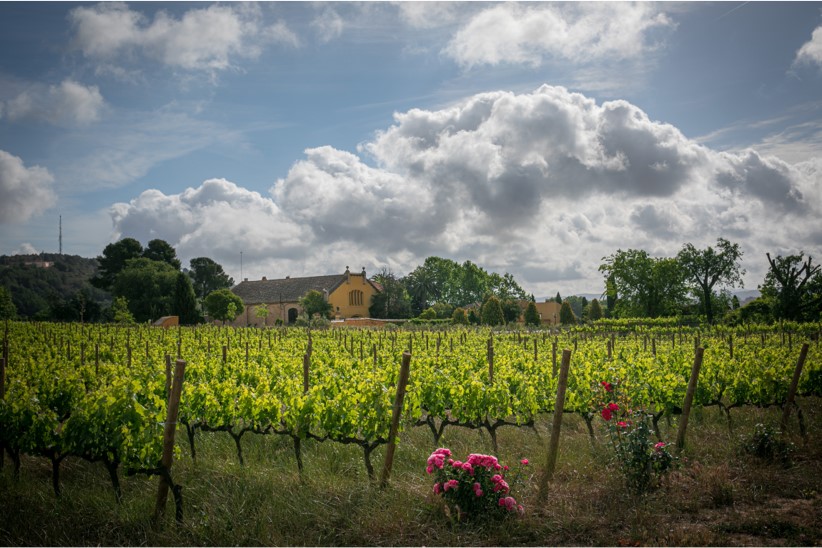
Arraigada en la tradición vitícola del Penedès desde el siglo XVI, la Familia Torres fundó su bodega en Vilafranca del Penedès en 1870. Cada generación ha transmitido la pasión por la cultura del vino, combinando el respeto por la tierra y el legado familiar con una firme apuesta por la innovación. Hoy, la quinta generación se focaliza en la elaboración de vinos de viñedos singulares y fincas históricas, la recuperación de variedades ancestrales y la viticultura regenerativa para hacer frente al cambio climático, así como en la preservación y comunicación de este legado a través de experiencias enoturísticas. Además, la familia sigue elaborando una reconocida selección de brandis y otros destilados de prestigio internacional, junto a productos alimentarios como aceites y vinagres. La lucha contra la emergencia climática es, desde 2008, uno de sus ejes de actuación, mediante acciones de adaptación y mitigación para reducir las emisiones de CO2. Familia Torres cuenta con viñedos y bodegas en Penedès, Conca de Barberà, Priorat y Costers del Segre; en las principales zonas vinícolas españolas –Rioja, Ribera del Duero, Rueda y Rías Baixas–, así como en Chile.
Overall B Impact Score
Governance 13.1
Governance evaluates a company's overall mission, engagement around its social/environmental impact, ethics, and transparency. This section also evaluates the ability of a company to protect their mission and formally consider stakeholders in decision making through their corporate structure (e.g. benefit corporation) or corporate governing documents.
What is this? A company with an Impact Business Model is intentionally designed to create a specific positive outcome for one of its stakeholders - such as workers, community, environment, or customers.
Workers 23.3
Workers evaluates a company’s contributions to its employees’ financial security, health & safety, wellness, career development, and engagement & satisfaction. In addition, this section recognizes business models designed to benefit workers, such as companies that are at least 40% owned by non-executive employees and those that have workforce development programs to support individuals with barriers to employment.
Community 22.3
Community evaluates a company’s engagement with and impact on the communities in which it operates, hires from, and sources from. Topics include diversity, equity & inclusion, economic impact, civic engagement, charitable giving, and supply chain management. In addition, this section recognizes business models that are designed to address specific community-oriented problems, such as poverty alleviation through fair trade sourcing or distribution via microenterprises, producer cooperative models, locally focused economic development, and formal charitable giving commitments.
What is this? A company with an Impact Business Model is intentionally designed to create a specific positive outcome for one of its stakeholders - such as workers, community, environment, or customers.
Environment 59.4
Environment evaluates a company’s overall environmental management practices as well as its impact on the air, climate, water, land, and biodiversity. This includes the direct impact of a company’s operations and, when applicable its supply chain and distribution channels. This section also recognizes companies with environmentally innovative production processes and those that sell products or services that have a positive environmental impact. Some examples might include products and services that create renewable energy, reduce consumption or waste, conserve land or wildlife, provide less toxic alternatives to the market, or educate people about environmental problems.
What is this? A company with an Impact Business Model is intentionally designed to create a specific positive outcome for one of its stakeholders - such as workers, community, environment, or customers.
Customers 3.0
Customers evaluates a company’s stewardship of its customers through the quality of its products and services, ethical marketing, data privacy and security, and feedback channels. In addition, this section recognizes products or services that are designed to address a particular social problem for or through its customers, such as health or educational products, arts & media products, serving underserved customers/clients, and services that improve the social impact of other businesses or organizations.