Sia Habitat
1.6
Hauts-de-France, France
October 2025
Real estate - leased property
Service with Significant Environmental Footprint
France
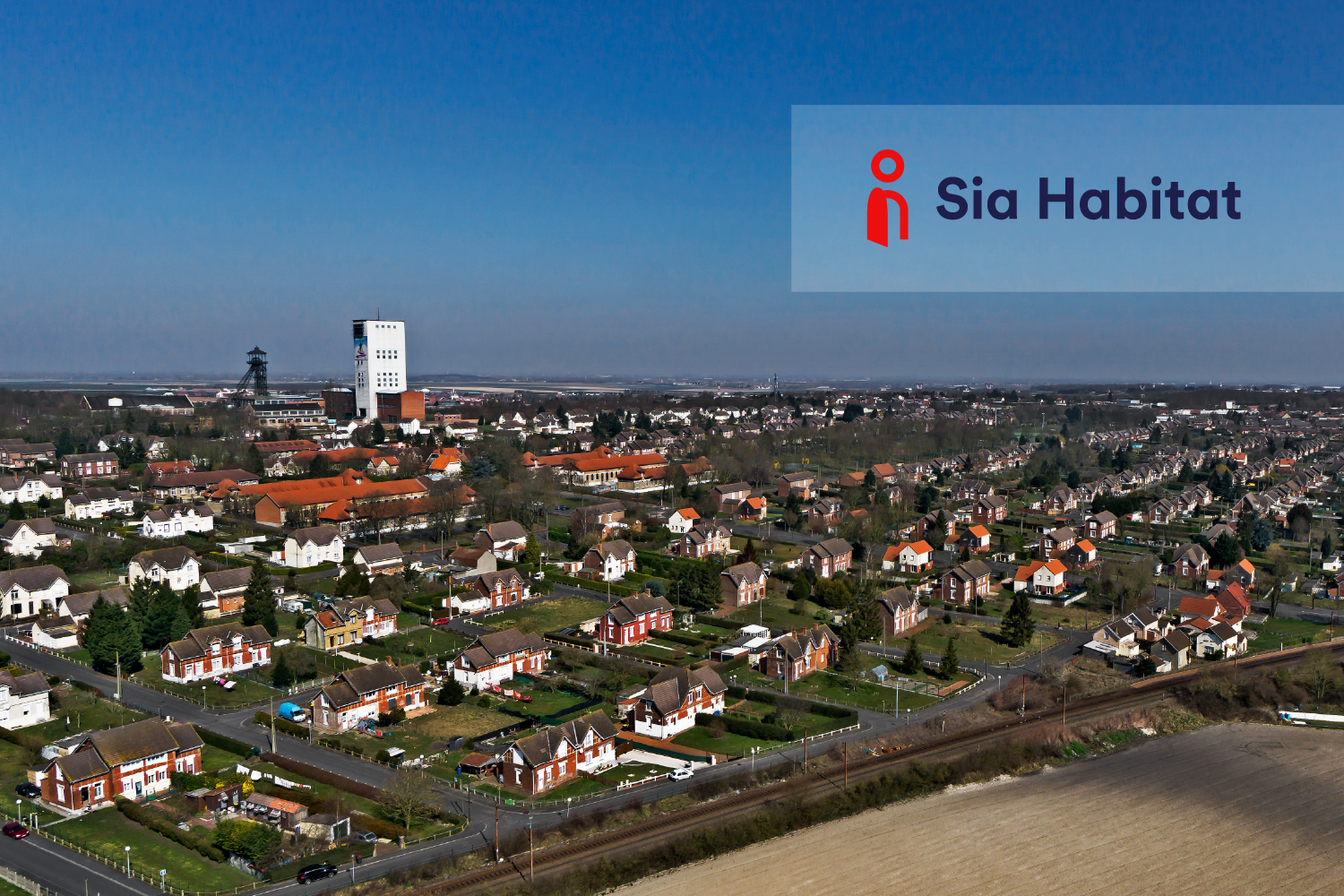
Sia Habitat est une entreprise sociale de l'habitat). Sia Habitat intervient dans le domaine de l'immobilier social. En cela elle dispose d'une mission d'intérêt général et d'utilité sociale. Nous ne distribuons pas de dividendes à nos actionnaires. Les entreprises sociales pour l’habitat (ESH) sont des sociétés anonymes investies d’une mission d’intérêt général. Elles logent les personnes et les familles éligibles au logement social. En partenariat avec les pouvoirs publics et les acteurs locaux, elles veillent à la qualité de leur environnement. Elles répondent ainsi efficacement aux besoins des habitants. Nous proposons des logements aux citoyens français en fonction de leurs ressources. Les loyers des logements sont plafonnés par la loi. Nous ne nous contentons pas de construire et de gérer nos logements, nous accompagnons également nos clients. D'ailleurs, nous considérons que nous sommes un acteur de cohésion au service du bien vivre ensemble.
Overall B Impact Score
Governance 17.7
Governance evaluates a company's overall mission, engagement around its social/environmental impact, ethics, and transparency. This section also evaluates the ability of a company to protect their mission and formally consider stakeholders in decision making through their corporate structure (e.g. benefit corporation) or corporate governing documents.
What is this? A company with an Impact Business Model is intentionally designed to create a specific positive outcome for one of its stakeholders - such as workers, community, environment, or customers.
Workers 26.6
Workers evaluates a company’s contributions to its employees’ financial security, health & safety, wellness, career development, and engagement & satisfaction. In addition, this section recognizes business models designed to benefit workers, such as companies that are at least 40% owned by non-executive employees and those that have workforce development programs to support individuals with barriers to employment.
Community 15.6
Community evaluates a company’s engagement with and impact on the communities in which it operates, hires from, and sources from. Topics include diversity, equity & inclusion, economic impact, civic engagement, charitable giving, and supply chain management. In addition, this section recognizes business models that are designed to address specific community-oriented problems, such as poverty alleviation through fair trade sourcing or distribution via microenterprises, producer cooperative models, locally focused economic development, and formal charitable giving commitments.
Environment 33.8
Environment evaluates a company’s overall environmental management practices as well as its impact on the air, climate, water, land, and biodiversity. This includes the direct impact of a company’s operations and, when applicable its supply chain and distribution channels. This section also recognizes companies with environmentally innovative production processes and those that sell products or services that have a positive environmental impact. Some examples might include products and services that create renewable energy, reduce consumption or waste, conserve land or wildlife, provide less toxic alternatives to the market, or educate people about environmental problems.
What is this? A company with an Impact Business Model is intentionally designed to create a specific positive outcome for one of its stakeholders - such as workers, community, environment, or customers.
Customers 2.8
Customers evaluates a company’s stewardship of its customers through the quality of its products and services, ethical marketing, data privacy and security, and feedback channels. In addition, this section recognizes products or services that are designed to address a particular social problem for or through its customers, such as health or educational products, arts & media products, serving underserved customers/clients, and services that improve the social impact of other businesses or organizations.