
Totoya Inc.
1.6
Kyōto Prefecture, Japan
June 2026
Food products
Wholesale/Retail
Japan
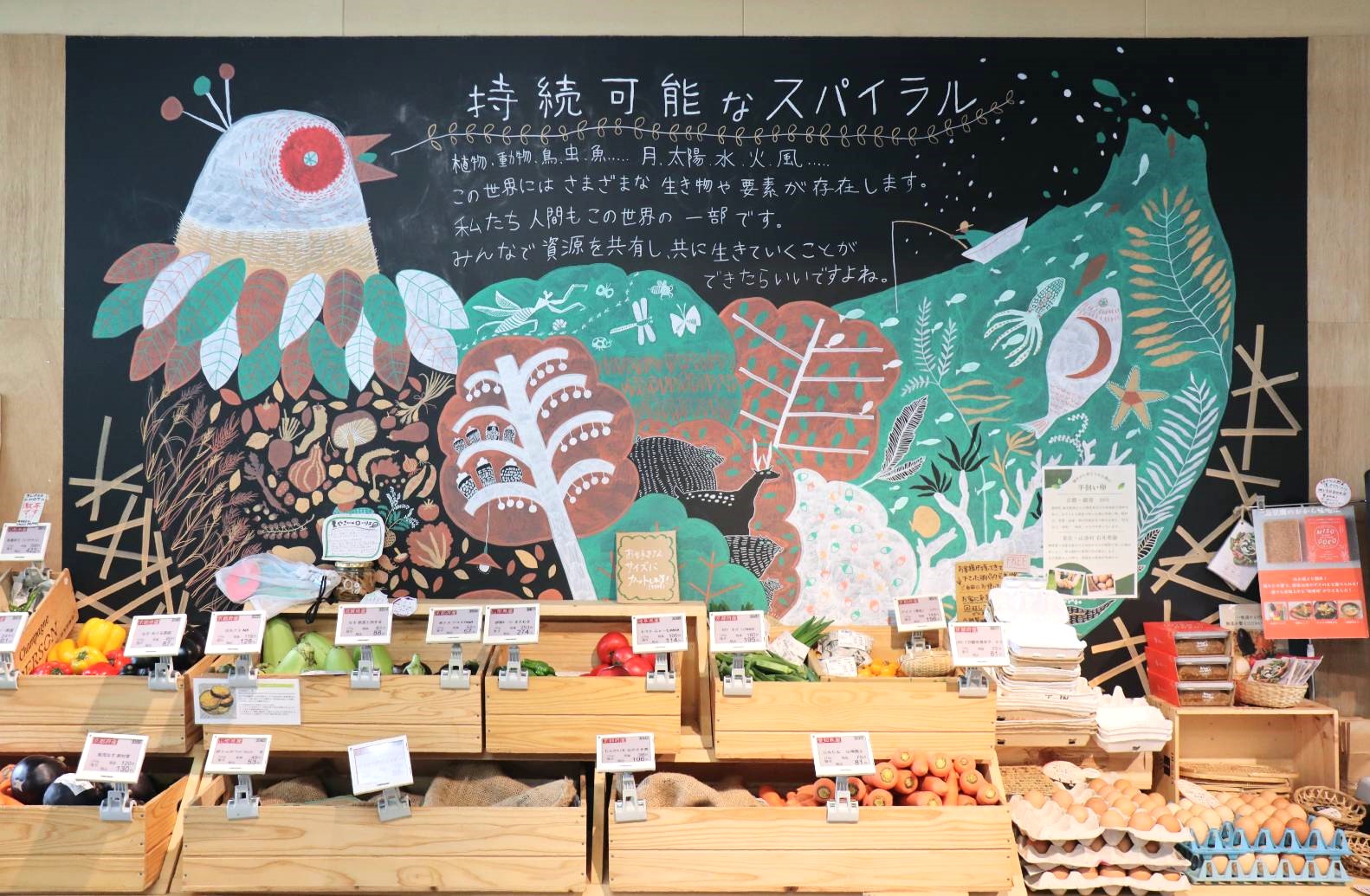
TOTOYA is one of Japan’s pioneering and largest zero-waste supermarkets. Founded on a simple but radical idea—that a store should not sell waste—TOTOYA was created to demonstrate that retail can operate without disposable packaging while supporting organic agriculture, reducing food loss, and building circular systems that regenerate communities and ecosystems. Our mission is not only to reduce waste, but to transform the relationship between people, food, and resources, helping establish a culture of zero waste and responsible consumption in Japan. At TOTOYA, products are sold without single-use plastic packaging. Customers are encouraged to bring their own containers, purchase only the quantities they need, and participate in a more conscious and resource-efficient way of shopping. To make this model accessible to everyone, we also operate a reusable container system based on a deposit model, allowing customers to borrow and return containers conveniently while reducing barriers to sustainable behavior. What makes TOTOYA unique is its fully integrated circular business model. In addition to operating a zero-waste supermarket, we run an in-house kitchen that transforms ingredients into prepared foods, a restaurant that serves meals through the same supply chain, and a product
Overall B Impact Score
Governance 7.0
Governance evaluates a company's overall mission, engagement around its social/environmental impact, ethics, and transparency. This section also evaluates the ability of a company to protect their mission and formally consider stakeholders in decision making through their corporate structure (e.g. benefit corporation) or corporate governing documents.
What is this? A company with an Impact Business Model is intentionally designed to create a specific positive outcome for one of its stakeholders - such as workers, community, environment, or customers.
Workers 17.1
Workers evaluates a company’s contributions to its employees’ financial security, health & safety, wellness, career development, and engagement & satisfaction. In addition, this section recognizes business models designed to benefit workers, such as companies that are at least 40% owned by non-executive employees and those that have workforce development programs to support individuals with barriers to employment.
Community 16.7
Community evaluates a company’s engagement with and impact on the communities in which it operates, hires from, and sources from. Topics include diversity, equity & inclusion, economic impact, civic engagement, charitable giving, and supply chain management. In addition, this section recognizes business models that are designed to address specific community-oriented problems, such as poverty alleviation through fair trade sourcing or distribution via microenterprises, producer cooperative models, locally focused economic development, and formal charitable giving commitments.
Environment 36.8
Environment evaluates a company’s overall environmental management practices as well as its impact on the air, climate, water, land, and biodiversity. This includes the direct impact of a company’s operations and, when applicable its supply chain and distribution channels. This section also recognizes companies with environmentally innovative production processes and those that sell products or services that have a positive environmental impact. Some examples might include products and services that create renewable energy, reduce consumption or waste, conserve land or wildlife, provide less toxic alternatives to the market, or educate people about environmental problems.
What is this? A company with an Impact Business Model is intentionally designed to create a specific positive outcome for one of its stakeholders - such as workers, community, environment, or customers.
Customers 2.3
Customers evaluates a company’s stewardship of its customers through the quality of its products and services, ethical marketing, data privacy and security, and feedback channels. In addition, this section recognizes products or services that are designed to address a particular social problem for or through its customers, such as health or educational products, arts & media products, serving underserved customers/clients, and services that improve the social impact of other businesses or organizations.