
BeOneSec
1.6
Andalusia, Spain
January 2026
Computer programming services
Service with Minor Environmental Footprint
Spain,
United States
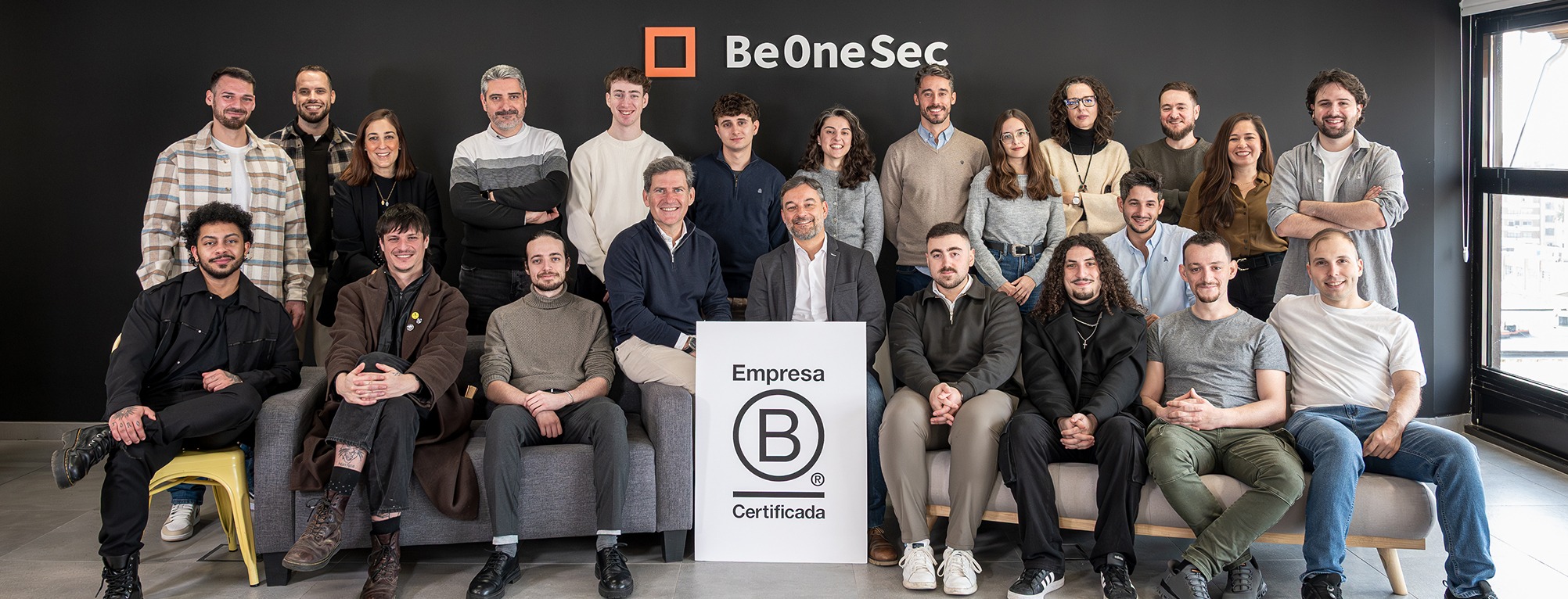
BeOneSec Cybersecurity Solutions is a highly specialised Spanish cybersecurity company dedicated to helping organisations operate in a digital environment that is secure, resilient and trustworthy. Its mission is grounded in a clear belief: cybersecurity is not just technology — it is trust, continuity and the future. That is why its purpose is to achieve cyber peace of mind. BeOneSec delivers advanced services in offensive security, cyber intelligence, security by design within software development, regulatory compliance, and defensive security, alongside the development of its own solutions. Each service is tailored to the context, maturity and real needs of the organisations it supports, always prioritising the protection of people and critical assets. The company works with organisations across essential and critical sectors, who rely on BeOneSec to protect what underpins their operations and their impact on society. Its differentiator is not only its tools, but its people — professionals who, through empathy, expertise and responsibility, support clients in preventing, detecting and responding to digital risks. BeOneSec’s impact goes beyond technology, strengthening digital trust and reducing risk.
Overall B Impact Score
Governance 19.5
Governance evaluates a company's overall mission, engagement around its social/environmental impact, ethics, and transparency. This section also evaluates the ability of a company to protect their mission and formally consider stakeholders in decision making through their corporate structure (e.g. benefit corporation) or corporate governing documents.
What is this? A company with an Impact Business Model is intentionally designed to create a specific positive outcome for one of its stakeholders - such as workers, community, environment, or customers.
Workers 32.1
Workers evaluates a company’s contributions to its employees’ financial security, health & safety, wellness, career development, and engagement & satisfaction. In addition, this section recognizes business models designed to benefit workers, such as companies that are at least 40% owned by non-executive employees and those that have workforce development programs to support individuals with barriers to employment.
Community 27.8
Community evaluates a company’s engagement with and impact on the communities in which it operates, hires from, and sources from. Topics include diversity, equity & inclusion, economic impact, civic engagement, charitable giving, and supply chain management. In addition, this section recognizes business models that are designed to address specific community-oriented problems, such as poverty alleviation through fair trade sourcing or distribution via microenterprises, producer cooperative models, locally focused economic development, and formal charitable giving commitments.
What is this? A company with an Impact Business Model is intentionally designed to create a specific positive outcome for one of its stakeholders - such as workers, community, environment, or customers.
Environment 7.6
Environment evaluates a company’s overall environmental management practices as well as its impact on the air, climate, water, land, and biodiversity. This includes the direct impact of a company’s operations and, when applicable its supply chain and distribution channels. This section also recognizes companies with environmentally innovative production processes and those that sell products or services that have a positive environmental impact. Some examples might include products and services that create renewable energy, reduce consumption or waste, conserve land or wildlife, provide less toxic alternatives to the market, or educate people about environmental problems.
Customers 20.2
Customers evaluates a company’s stewardship of its customers through the quality of its products and services, ethical marketing, data privacy and security, and feedback channels. In addition, this section recognizes products or services that are designed to address a particular social problem for or through its customers, such as health or educational products, arts & media products, serving underserved customers/clients, and services that improve the social impact of other businesses or organizations.
What is this? A company with an Impact Business Model is intentionally designed to create a specific positive outcome for one of its stakeholders - such as workers, community, environment, or customers.