GLOBAL AGRO INVESTMENT, S.L.U.
1.6
Madrid, Spain
June 2025
Growing non-perennial crops
Agriculture/Growers
Brazil,
France,
Senegal,
Spain
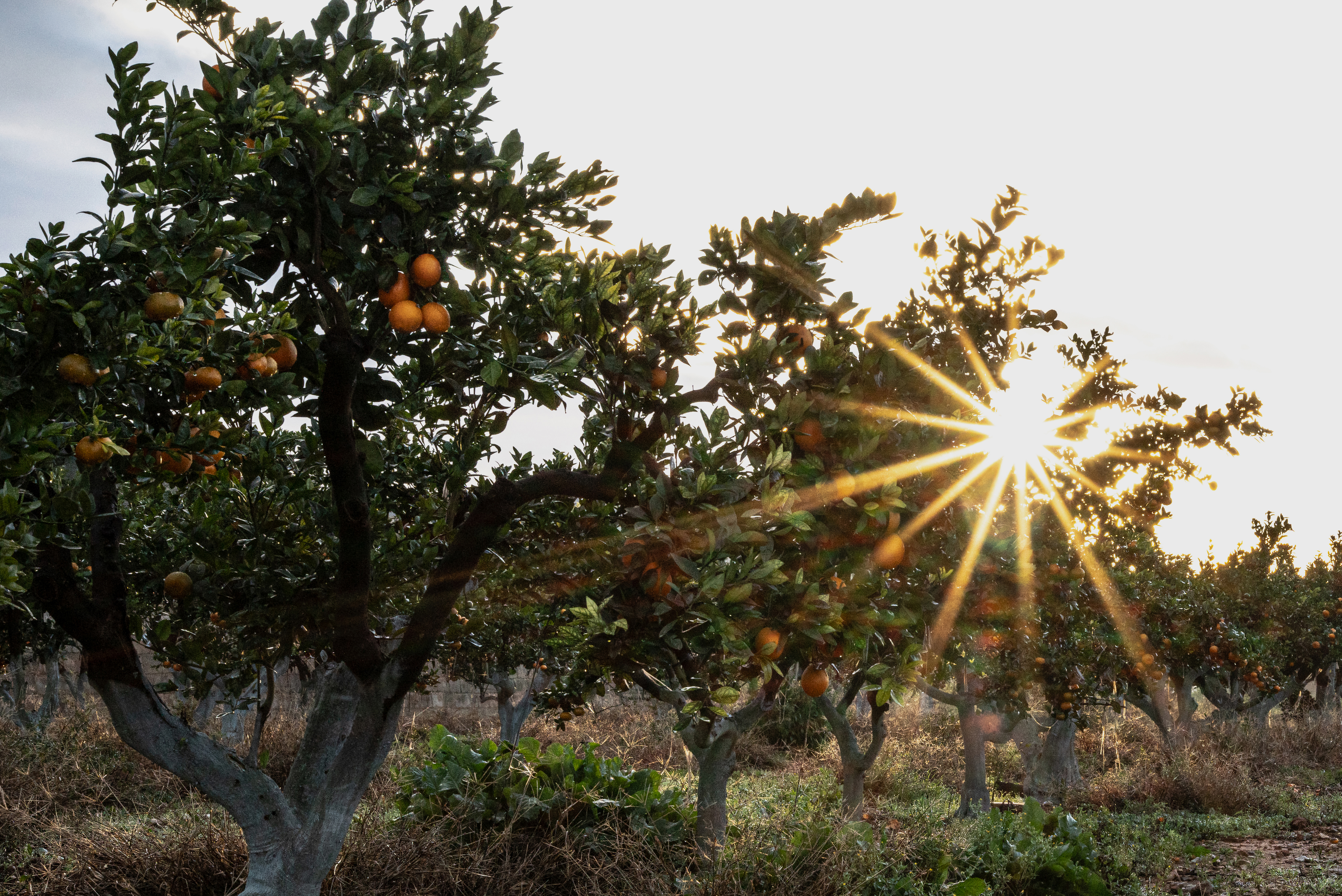
Bollo Natural Fruit, una de las compañías líderes en el sector agroalimentario en nuestro país, nace como grupo consolidado de empresas con una amplia experiencia y saber hacer centenarios en esta industria. Desde su posición, encabeza una nueva forma de hacer agricultura desde su movimiento "Natural Change": cultivar el futuro regenerando la tierra y cuidando de las personas. Gestiona la cadena de valor de manera responsable —desde el origen hasta el cliente— combinando excelencia operativa con una gobernanza ética, orientada al impacto positivo y al largo plazo. Bollo Natural Fruit cree en el poder transformador de las personas: genera empleo de calidad, impulsa entornos seguros, diversos e inclusivos y construye relaciones sólidas y justas con agricultores, proveedores y comunidades. Su compromiso con el medioambiente se traduce en el desarrollo de una agricultura sostenible y bio‑inclusiva, que integra la protección de la biodiversidad, el uso eficiente de los recursos naturales y la regeneración de los ecosistemas como parte de su modelo productivo. Con una visión clara y ambiciosa, Bollo Natural Fruit entiende su crecimiento como una oportunidad para amplificar su impacto positivo, ofreciendo productos saludables y de confianza mientras crea valor económico, social y am
Overall B Impact Score
Governance 15.0
Governance evaluates a company's overall mission, engagement around its social/environmental impact, ethics, and transparency. This section also evaluates the ability of a company to protect their mission and formally consider stakeholders in decision making through their corporate structure (e.g. benefit corporation) or corporate governing documents.
What is this? A company with an Impact Business Model is intentionally designed to create a specific positive outcome for one of its stakeholders - such as workers, community, environment, or customers.
Workers 20.6
Workers evaluates a company’s contributions to its employees’ financial security, health & safety, wellness, career development, and engagement & satisfaction. In addition, this section recognizes business models designed to benefit workers, such as companies that are at least 40% owned by non-executive employees and those that have workforce development programs to support individuals with barriers to employment.
Community 15.9
Community evaluates a company’s engagement with and impact on the communities in which it operates, hires from, and sources from. Topics include diversity, equity & inclusion, economic impact, civic engagement, charitable giving, and supply chain management. In addition, this section recognizes business models that are designed to address specific community-oriented problems, such as poverty alleviation through fair trade sourcing or distribution via microenterprises, producer cooperative models, locally focused economic development, and formal charitable giving commitments.
Environment 26.4
Environment evaluates a company’s overall environmental management practices as well as its impact on the air, climate, water, land, and biodiversity. This includes the direct impact of a company’s operations and, when applicable its supply chain and distribution channels. This section also recognizes companies with environmentally innovative production processes and those that sell products or services that have a positive environmental impact. Some examples might include products and services that create renewable energy, reduce consumption or waste, conserve land or wildlife, provide less toxic alternatives to the market, or educate people about environmental problems.
Customers 3.8
Customers evaluates a company’s stewardship of its customers through the quality of its products and services, ethical marketing, data privacy and security, and feedback channels. In addition, this section recognizes products or services that are designed to address a particular social problem for or through its customers, such as health or educational products, arts & media products, serving underserved customers/clients, and services that improve the social impact of other businesses or organizations.