
Amalgama
1.6
Córdoba Province, Argentina
September 2025
Textiles
Manufacturing
Argentina
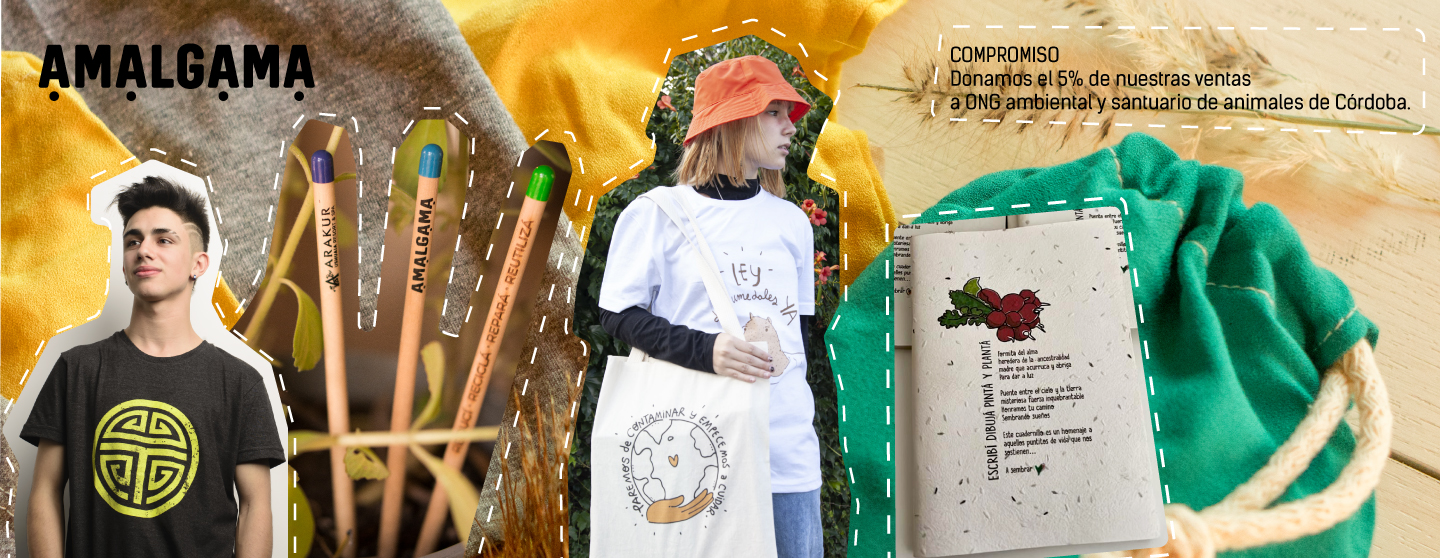
Amalgama Identidad es un taller de diseño y producción sustentable que impulsa un modelo de triple impacto desde el corazón de las sierras de Córdoba. Integra la dimensión social, ambiental y económica en cada etapa de su proceso productivo. Desarrolla y produce merchandising sustentable para marcas, campañas y organizaciones que buscan comunicar de manera consciente. Su trabajo incluye productos textiles e indumentaria, bolsas de tela reutilizables, marroquinería sustentable, papelería ecológica realizada con papel reciclado y papel con semillas, y merchandising reutilizable como vasos térmicos, tazas, botellas y jarros. Cada producto está pensado para reemplazar el plástico, reducir el impacto ambiental y generar valor social, promoviendo una economía regenerativa que pone en el centro a las personas, el entorno y la vida.
Overall B Impact Score
Governance 11.3
Governance evaluates a company's overall mission, engagement around its social/environmental impact, ethics, and transparency. This section also evaluates the ability of a company to protect their mission and formally consider stakeholders in decision making through their corporate structure (e.g. benefit corporation) or corporate governing documents.
What is this? A company with an Impact Business Model is intentionally designed to create a specific positive outcome for one of its stakeholders - such as workers, community, environment, or customers.
Community 39.4
Community evaluates a company’s engagement with and impact on the communities in which it operates, hires from, and sources from. Topics include diversity, equity & inclusion, economic impact, civic engagement, charitable giving, and supply chain management. In addition, this section recognizes business models that are designed to address specific community-oriented problems, such as poverty alleviation through fair trade sourcing or distribution via microenterprises, producer cooperative models, locally focused economic development, and formal charitable giving commitments.
Environment 32.0
Environment evaluates a company’s overall environmental management practices as well as its impact on the air, climate, water, land, and biodiversity. This includes the direct impact of a company’s operations and, when applicable its supply chain and distribution channels. This section also recognizes companies with environmentally innovative production processes and those that sell products or services that have a positive environmental impact. Some examples might include products and services that create renewable energy, reduce consumption or waste, conserve land or wildlife, provide less toxic alternatives to the market, or educate people about environmental problems.
What is this? A company with an Impact Business Model is intentionally designed to create a specific positive outcome for one of its stakeholders - such as workers, community, environment, or customers.
Customers 1.5
Customers evaluates a company’s stewardship of its customers through the quality of its products and services, ethical marketing, data privacy and security, and feedback channels. In addition, this section recognizes products or services that are designed to address a particular social problem for or through its customers, such as health or educational products, arts & media products, serving underserved customers/clients, and services that improve the social impact of other businesses or organizations.