Arctic Sea, S.L.
1.6
Basque Country, Spain
February 2026
Other professional, scientific & tech
Service with Minor Environmental Footprint
Chile,
Colombia,
Costa Rica,
Dominican Republic,
Ecuador,
France,
Guatemala,
Italy,
Mexico,
Peru,
Spain,
Sri Lanka,
United States
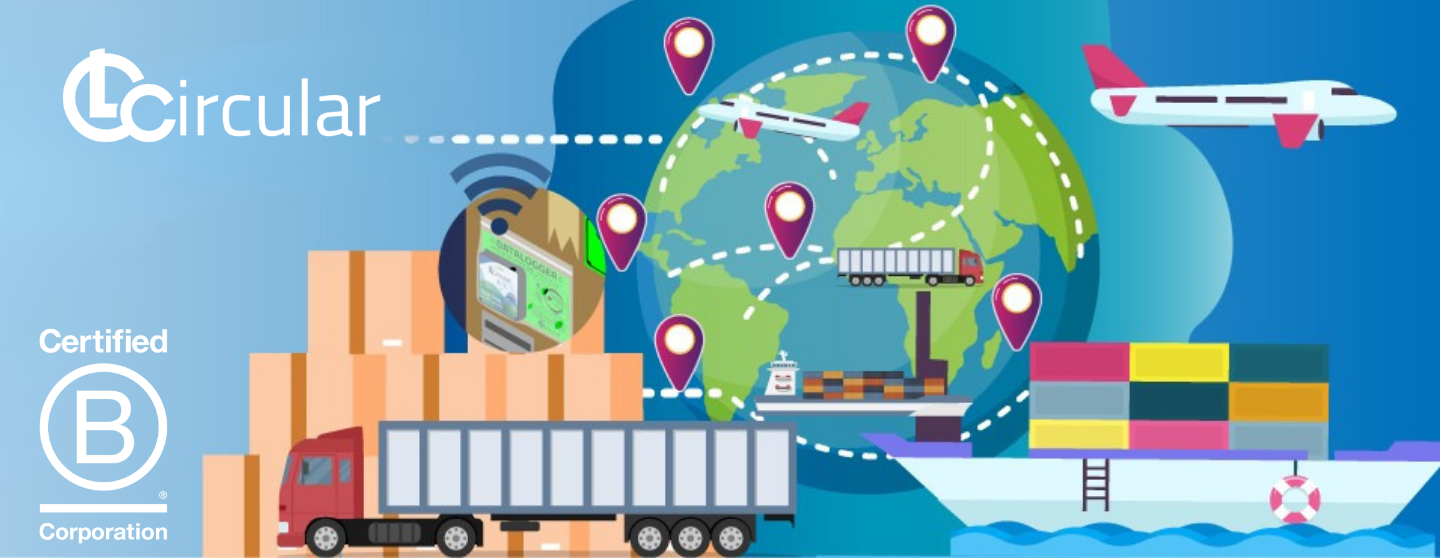
**CLCircular is a Spanish technology company specialized in digitizing and monitoring the supply chain through reusable IoT sensors. Its business model is based on the circular economy: instead of selling single-use devices, the company rents them, retrieves them after each shipment, refurbishes them, and reintroduces them into logistics operations. The company provides real-time visibility into critical variables — such as temperature, humidity, location, and transport incidents — enabling producers, exporters, importers, and retailers to reduce losses, improve product quality, and optimize operations. In addition, CLCircular converts collected data into operational and sustainability insights, helping clients make better decisions and measure their environmental impact. Through this approach, CLCircular combines economic savings with the reduction of electronic waste and CO₂ emissions, promoting a safer, more transparent, and more sustainable logistics chain.
Overall B Impact Score
Governance 23.1
Governance evaluates a company's overall mission, engagement around its social/environmental impact, ethics, and transparency. This section also evaluates the ability of a company to protect their mission and formally consider stakeholders in decision making through their corporate structure (e.g. benefit corporation) or corporate governing documents.
What is this? A company with an Impact Business Model is intentionally designed to create a specific positive outcome for one of its stakeholders - such as workers, community, environment, or customers.
Workers 26.9
Workers evaluates a company’s contributions to its employees’ financial security, health & safety, wellness, career development, and engagement & satisfaction. In addition, this section recognizes business models designed to benefit workers, such as companies that are at least 40% owned by non-executive employees and those that have workforce development programs to support individuals with barriers to employment.
Community 21.2
Community evaluates a company’s engagement with and impact on the communities in which it operates, hires from, and sources from. Topics include diversity, equity & inclusion, economic impact, civic engagement, charitable giving, and supply chain management. In addition, this section recognizes business models that are designed to address specific community-oriented problems, such as poverty alleviation through fair trade sourcing or distribution via microenterprises, producer cooperative models, locally focused economic development, and formal charitable giving commitments.
Environment 20.7
Environment evaluates a company’s overall environmental management practices as well as its impact on the air, climate, water, land, and biodiversity. This includes the direct impact of a company’s operations and, when applicable its supply chain and distribution channels. This section also recognizes companies with environmentally innovative production processes and those that sell products or services that have a positive environmental impact. Some examples might include products and services that create renewable energy, reduce consumption or waste, conserve land or wildlife, provide less toxic alternatives to the market, or educate people about environmental problems.
What is this? A company with an Impact Business Model is intentionally designed to create a specific positive outcome for one of its stakeholders - such as workers, community, environment, or customers.
Customers 3.6
Customers evaluates a company’s stewardship of its customers through the quality of its products and services, ethical marketing, data privacy and security, and feedback channels. In addition, this section recognizes products or services that are designed to address a particular social problem for or through its customers, such as health or educational products, arts & media products, serving underserved customers/clients, and services that improve the social impact of other businesses or organizations.