
Colasse
1.6
Liège, Belgium
January 2026
Electrical equipment
Manufacturing
Belgium,
France,
Germany,
Luxembourg,
Netherlands The,
Switzerland,
United Kingdom,
United States
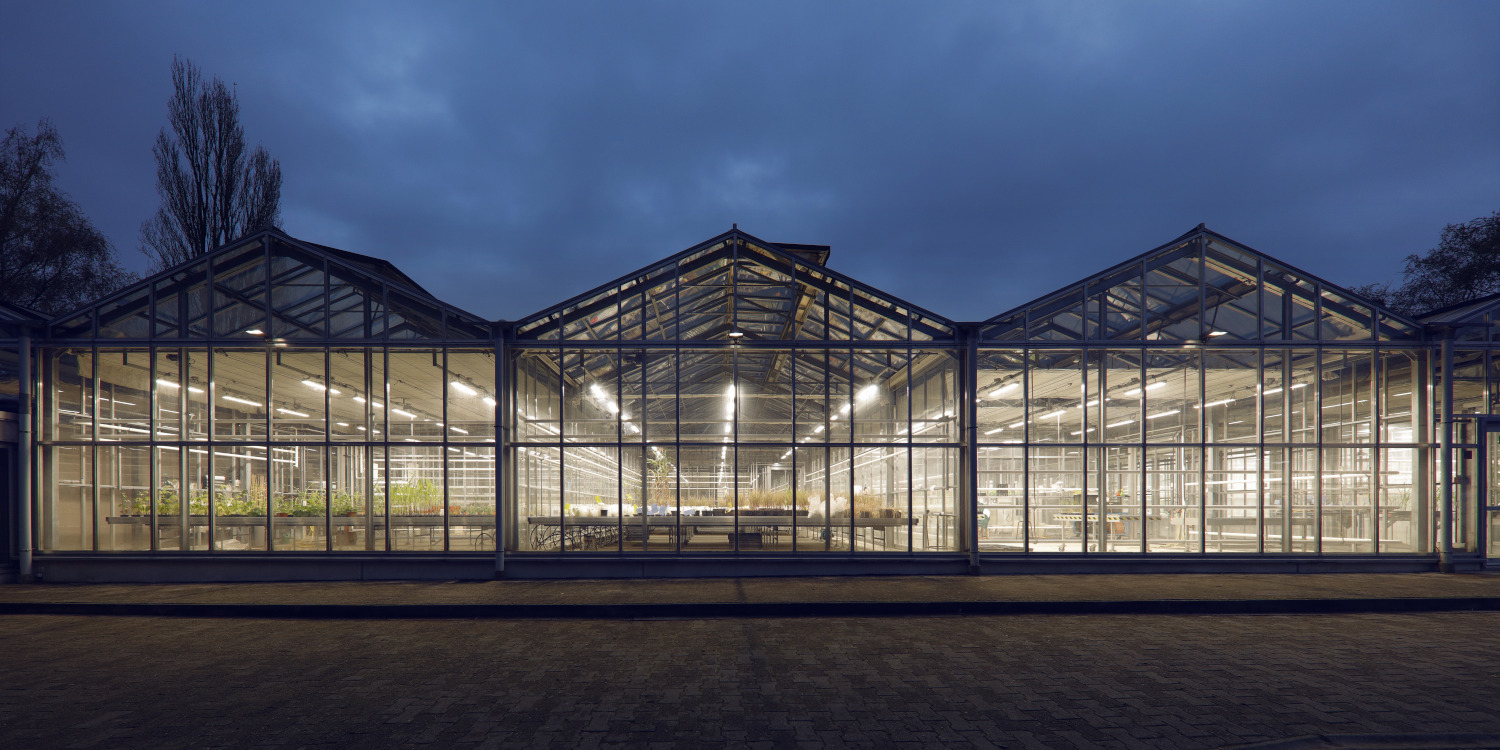
Colasse SA is an independent Belgian company specialized in the design, manufacturing, and delivery of innovative LED lighting solutions. Based in Belgium, the company develops tailor-made lighting systems for industrial, commercial, and specialized applications. Colasse designs and manufactures custom LED luminaires for a wide range of uses, including industrial facilities, commercial spaces, and highly specific technical environments. The company is also active in horticultural lighting through its Vegeled brand, providing dedicated lighting solutions for greenhouses and plant growth laboratories. In addition, Colasse delivers bespoke lighting projects for public buildings, research centers, industrial sites, ports, and other complex infrastructures, ensuring full integration from design to delivery. The company relies on strong B2B partnerships, notably with research centers, industrial companies, and professional organizations at the international level. As a small and agile organization, Colasse works closely with its clients and partners to co-create reliable, energy-efficient, and durable lighting systems, combining technical expertise, innovation, and a strong customer-oriented approach throughout the project lifecycle.
Overall B Impact Score
Governance 16.3
Governance evaluates a company's overall mission, engagement around its social/environmental impact, ethics, and transparency. This section also evaluates the ability of a company to protect their mission and formally consider stakeholders in decision making through their corporate structure (e.g. benefit corporation) or corporate governing documents.
What is this? A company with an Impact Business Model is intentionally designed to create a specific positive outcome for one of its stakeholders - such as workers, community, environment, or customers.
Workers 28.5
Workers evaluates a company’s contributions to its employees’ financial security, health & safety, wellness, career development, and engagement & satisfaction. In addition, this section recognizes business models designed to benefit workers, such as companies that are at least 40% owned by non-executive employees and those that have workforce development programs to support individuals with barriers to employment.
Community 9.1
Community evaluates a company’s engagement with and impact on the communities in which it operates, hires from, and sources from. Topics include diversity, equity & inclusion, economic impact, civic engagement, charitable giving, and supply chain management. In addition, this section recognizes business models that are designed to address specific community-oriented problems, such as poverty alleviation through fair trade sourcing or distribution via microenterprises, producer cooperative models, locally focused economic development, and formal charitable giving commitments.
Environment 27.5
Environment evaluates a company’s overall environmental management practices as well as its impact on the air, climate, water, land, and biodiversity. This includes the direct impact of a company’s operations and, when applicable its supply chain and distribution channels. This section also recognizes companies with environmentally innovative production processes and those that sell products or services that have a positive environmental impact. Some examples might include products and services that create renewable energy, reduce consumption or waste, conserve land or wildlife, provide less toxic alternatives to the market, or educate people about environmental problems.
What is this? A company with an Impact Business Model is intentionally designed to create a specific positive outcome for one of its stakeholders - such as workers, community, environment, or customers.
Customers 24.6
Customers evaluates a company’s stewardship of its customers through the quality of its products and services, ethical marketing, data privacy and security, and feedback channels. In addition, this section recognizes products or services that are designed to address a particular social problem for or through its customers, such as health or educational products, arts & media products, serving underserved customers/clients, and services that improve the social impact of other businesses or organizations.
What is this? A company with an Impact Business Model is intentionally designed to create a specific positive outcome for one of its stakeholders - such as workers, community, environment, or customers.