
LA ARGENTINA
1.6
Tucumán Province, Argentina
October 2025
Apparel
Manufacturing
Argentina
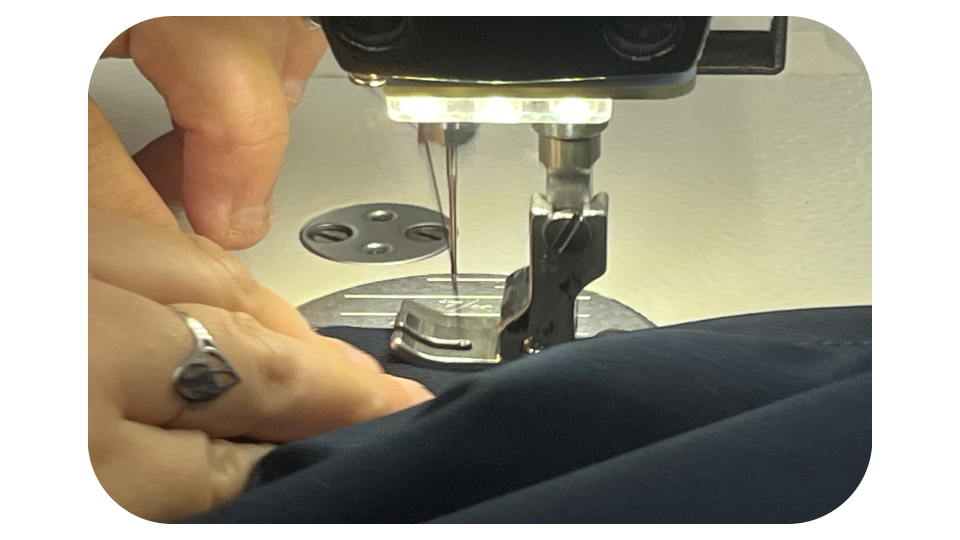
Somos una empresa y una familia. Diseñamos, fabricamos y comercializamos indumentaria y accesorios que conectan con el sentido de ser argentino. Tenemos como propósito contribuir a crear un mundo mejor y más sostenible, transmitiendo los valores de la argentinidad. Ejes de Sostenibilidad: Circularidad: Optimizamos el uso de materia prima, reutilizamos los residuos textiles en nuevas prendas y accesorios y los que no son reutilizables son entregados a cooperativas que le dan un destino final responsable. Incluimos textiles que fueron producidos responsablemente y comercializamos otras marcas que comparten este propósito. Inclusión y Diversidad: Nos interesa cultivar y cuidar la diversidad e inclusión en nuestro equipo de trabajo, siendo la mayoría personas con barreras crónicas de empleo. Este compromiso lo hemos llevado también a nuestra cadena de suministro, contratando talleres de confección locales y que pertenecen a personas de grupos subrepresentados. Acción Colectiva: Estamos convencidos que la forma de hacer las cosas es colaborativa. Por eso, llevamos adelante acciones para promover el consumo y producción responsable en la industria y comunidad donde operamos, haciendo alianzas con diferentes actores claves: privado, público, ONGs, academia, etc.
Overall B Impact Score
Governance 16.8
Governance evaluates a company's overall mission, engagement around its social/environmental impact, ethics, and transparency. This section also evaluates the ability of a company to protect their mission and formally consider stakeholders in decision making through their corporate structure (e.g. benefit corporation) or corporate governing documents.
What is this? A company with an Impact Business Model is intentionally designed to create a specific positive outcome for one of its stakeholders - such as workers, community, environment, or customers.
Workers 62.0
Workers evaluates a company’s contributions to its employees’ financial security, health & safety, wellness, career development, and engagement & satisfaction. In addition, this section recognizes business models designed to benefit workers, such as companies that are at least 40% owned by non-executive employees and those that have workforce development programs to support individuals with barriers to employment.
What is this? A company with an Impact Business Model is intentionally designed to create a specific positive outcome for one of its stakeholders - such as workers, community, environment, or customers.
Community 24.1
Community evaluates a company’s engagement with and impact on the communities in which it operates, hires from, and sources from. Topics include diversity, equity & inclusion, economic impact, civic engagement, charitable giving, and supply chain management. In addition, this section recognizes business models that are designed to address specific community-oriented problems, such as poverty alleviation through fair trade sourcing or distribution via microenterprises, producer cooperative models, locally focused economic development, and formal charitable giving commitments.
Environment 14.0
Environment evaluates a company’s overall environmental management practices as well as its impact on the air, climate, water, land, and biodiversity. This includes the direct impact of a company’s operations and, when applicable its supply chain and distribution channels. This section also recognizes companies with environmentally innovative production processes and those that sell products or services that have a positive environmental impact. Some examples might include products and services that create renewable energy, reduce consumption or waste, conserve land or wildlife, provide less toxic alternatives to the market, or educate people about environmental problems.
Customers 2.4
Customers evaluates a company’s stewardship of its customers through the quality of its products and services, ethical marketing, data privacy and security, and feedback channels. In addition, this section recognizes products or services that are designed to address a particular social problem for or through its customers, such as health or educational products, arts & media products, serving underserved customers/clients, and services that improve the social impact of other businesses or organizations.