Market Harborough Honey Co. Limited
1.6
Warwickshire, United Kingdom
December 2025
Food products
Manufacturing
United Kingdom
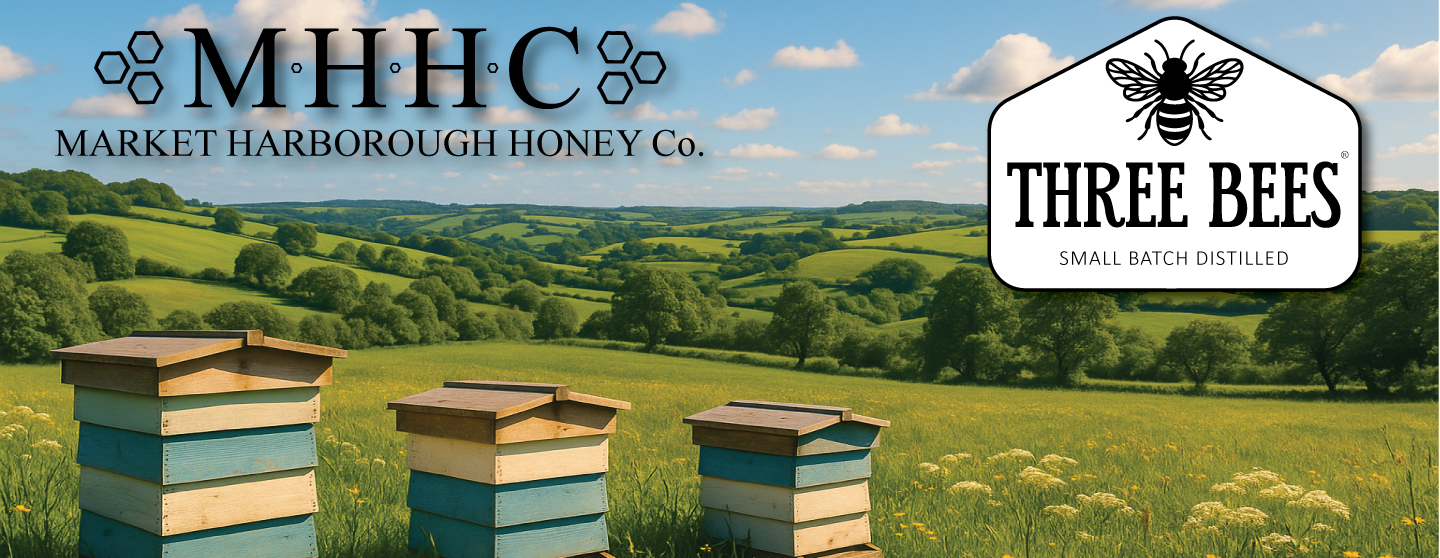
Market Harborough Honey Co. began as a passion project rooted in the heart of our family garden. It started with a fascination for bees and the essential role they play in nature. While tending to our small vegetable patch, we noticed the incredible difference a few buzzing pollinators made to our plants, and a spark of curiosity took hold. Our journey into beekeeping officially began with three modest hives tucked away in the corner of a field. At first, the hives were simply a way to give back to nature and support local pollination. As we cared for our first colonies, the bees rewarded us with something remarkable: rich, golden honey that tasted unlike anything we had ever bought. Friends and neighbours soon came knocking for a jar, and what began as a hobby quickly grew into a small-scale production. Driven by our commitment to quality and a love of sustainable, natural products, we brought Market Harborough Honey Co. to life. We expanded thoughtfully, adding more hives across the Market Harborough area to ensure every jar of honey captures the distinctive flavours of the local flora. Today, we care for over 120 hives, each one producing honey that reflects the diverse blossoms of our countryside. We are also proud to be members of 1% for the Planet.
Overall B Impact Score
Governance 18.2
Governance evaluates a company's overall mission, engagement around its social/environmental impact, ethics, and transparency. This section also evaluates the ability of a company to protect their mission and formally consider stakeholders in decision making through their corporate structure (e.g. benefit corporation) or corporate governing documents.
What is this? A company with an Impact Business Model is intentionally designed to create a specific positive outcome for one of its stakeholders - such as workers, community, environment, or customers.
Community 53.7
Community evaluates a company’s engagement with and impact on the communities in which it operates, hires from, and sources from. Topics include diversity, equity & inclusion, economic impact, civic engagement, charitable giving, and supply chain management. In addition, this section recognizes business models that are designed to address specific community-oriented problems, such as poverty alleviation through fair trade sourcing or distribution via microenterprises, producer cooperative models, locally focused economic development, and formal charitable giving commitments.
What is this? A company with an Impact Business Model is intentionally designed to create a specific positive outcome for one of its stakeholders - such as workers, community, environment, or customers.
Environment 13.6
Environment evaluates a company’s overall environmental management practices as well as its impact on the air, climate, water, land, and biodiversity. This includes the direct impact of a company’s operations and, when applicable its supply chain and distribution channels. This section also recognizes companies with environmentally innovative production processes and those that sell products or services that have a positive environmental impact. Some examples might include products and services that create renewable energy, reduce consumption or waste, conserve land or wildlife, provide less toxic alternatives to the market, or educate people about environmental problems.
Customers 3.8
Customers evaluates a company’s stewardship of its customers through the quality of its products and services, ethical marketing, data privacy and security, and feedback channels. In addition, this section recognizes products or services that are designed to address a particular social problem for or through its customers, such as health or educational products, arts & media products, serving underserved customers/clients, and services that improve the social impact of other businesses or organizations.